
Search
-
or select -

Switching to an electric vehicle (EV) isn’t just about driving; it’s about embracing a cleaner, more sustainable future for Maine. With EVs, you’ll enjoy exceptional fuel savings, cutting-edge technology, and the quiet confidence of reducing your carbon footprint—all while cruising through the scenic beauty of the Pine Tree State. Whether you’re navigating Portland’s city streets or exploring the rugged coastline, an electric vehicle offers the perfect blend of performance and environmental responsibility. At Quirk Auto Group, we’re proud to offer a wide selection of EVs tailored to fit your lifestyle and Maine’s unique terrain. Let’s drive toward a greener tomorrow together.
Description:
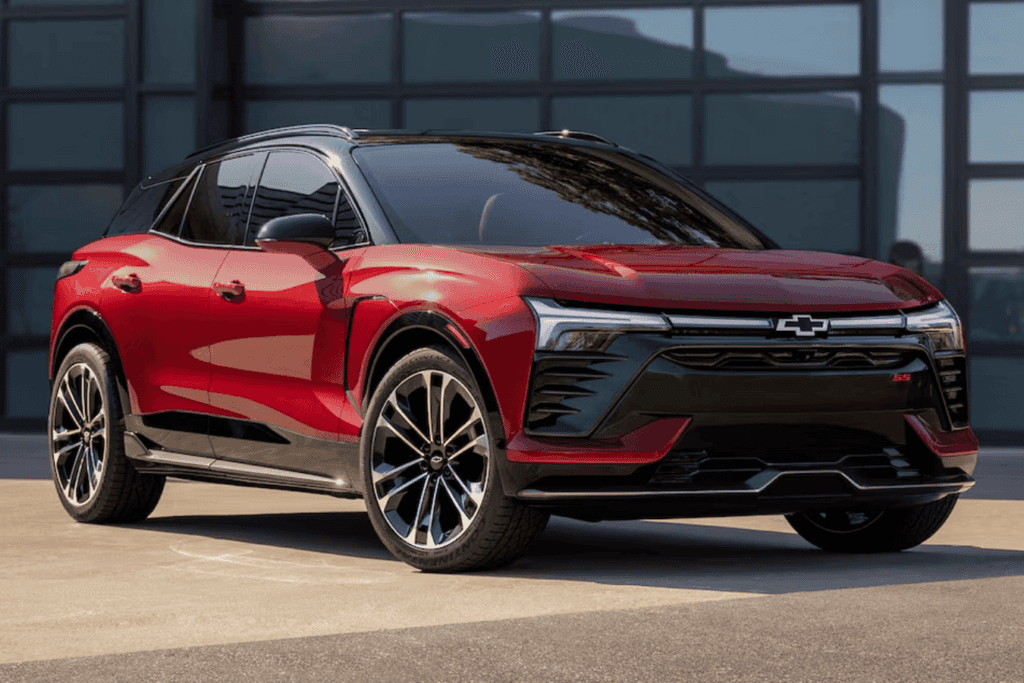
Fully electric vehicles powered exclusively by a battery. No gasoline engine is included, meaning the vehicle must be charged via an external power source.
Energy Source:
Fully Electric, typically 150-350 miles per charge.
Charging Needs:
Requires Level 1, Level 2, or DC fast charging stations.

Description:
Combines a gasoline engine with a larger electric battery, which can be plugged in to recharge. These vehicles can run purely on electric power for short distances before switching to gasoline.
Energy Source:
Gasoline and a rechargeable battery.
Charging Needs:
It can be charged via Level 1 or Level 2 chargers.
Description:
Uses both an internal combustion engine (ICE) and an electric motor. The electric battery charges through regenerative braking and the engine.
Energy Source:
Gasoline and a self-charging electric battery.
Charging Needs:
No charging is needed; the battery charges while driving.

Description:
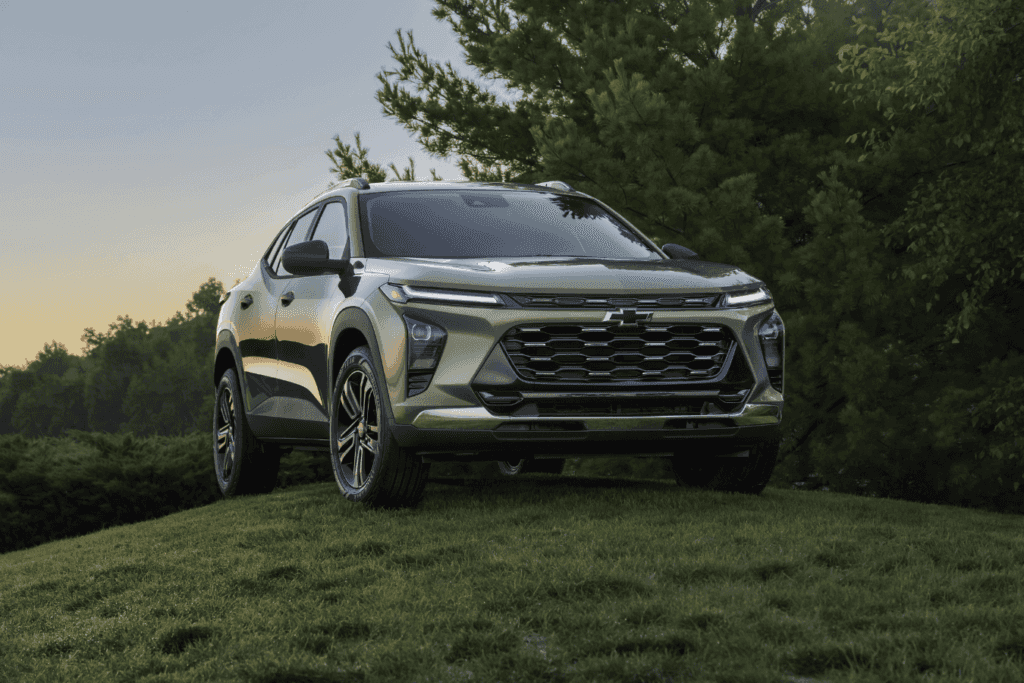
These vehicles rely entirely on gasoline or diesel engines to power the vehicle.
Energy Source:
Gasoline or diesel fuel.
Environmental Impact:
Higher emissions compared to electric or hybrid vehicles.








Cadillac Lyriq
Cadillac Escalade IQ
Chevrolet Blazer EV
Chevrolet Equinox EV
Chevrolet Silverado EV
FIAT 500e
Ford Mustang Mach-E
Ford F-150 Lightning
GMC Hummer EV
GMC Sierra EV
Hyundai Kona Electric
Hyundai IONIQ 5
Hyundai IONIQ 6
Mercedes-Benz eSprinter Van
Mercedes-Benz EQB
Mercedes-Benz EQE
Mercedes-Benz EQS
RAM 1500 REV (Coming soon)
RAM Promaster EV
Subaru Solterra

Alfa Romeo Tonale
Chrysler Pacifica Plug-In Hybrid
Dodge Hornet
Ford Escape Plug-In Hybrid
Hyundai Tucson Plug-In Hybrid
Jeep Wagoneer S 4xe
Jeep Grand Cherokee 4xe
Jeep Wrangler 4xe
Mitsubishi Outlander PHEV
RAM 1500 Ramcharger (Coming soon)

Ford Maverick Hybrid
Ford F-150 Hybrid
Ford Escape ST-Line Elite Hybrid
Hyundai Tucson Hybrid
Hyundai Santa Fe Hybrid
Hyundai Elantra Hybrid
Hyundai Sonata Hybrid



Efficiency Maine provides rebates for low-income residents purchasing fully electric or plug-in hybrid vehicles.
These rebates are applicable to vehicles purchased for personal use and can be combined with federal tax credits to further lower costs. More information can be found on Efficiency Maine’s website.
In addition to Efficiency Maine incentives, customers may qualify for federal tax credits and other financial benefits for electric vehicles (EVs) and charging equipment. Some new battery electric (BEV) and plug-in hybrid electric vehicles (PHEV) are eligible for federal tax credits of up to $7,500, while used models may qualify for up to $4,000—both subject to eligibility rules and income caps. For details on eligible models, visit fueleconomy.gov, and consult the IRS website for specific tax credit information.
Federal incentives also extend to EV charging equipment through the Alternative Fuel Vehicle Refueling Property Credit. Homeowners may receive a credit covering 30% of the cost (up to $1,000 per unit), while businesses can qualify for credits up to $100,000 per unit, depending on wage requirements. These credits are available until December 31, 2032. Be sure to speak with a tax professional to understand how these benefits may apply to your situation.
While the tax incentives and deductions mentioned on this page can provide significant savings, it’s crucial to consult with a qualified tax professional before making any financial decisions. A tax advisor can help ensure that you’re properly applying for and maximizing the benefits available to you under both state and federal tax laws. This will ensure that you’re in full compliance with the latest regulations and that you’re taking advantage of every applicable incentive.
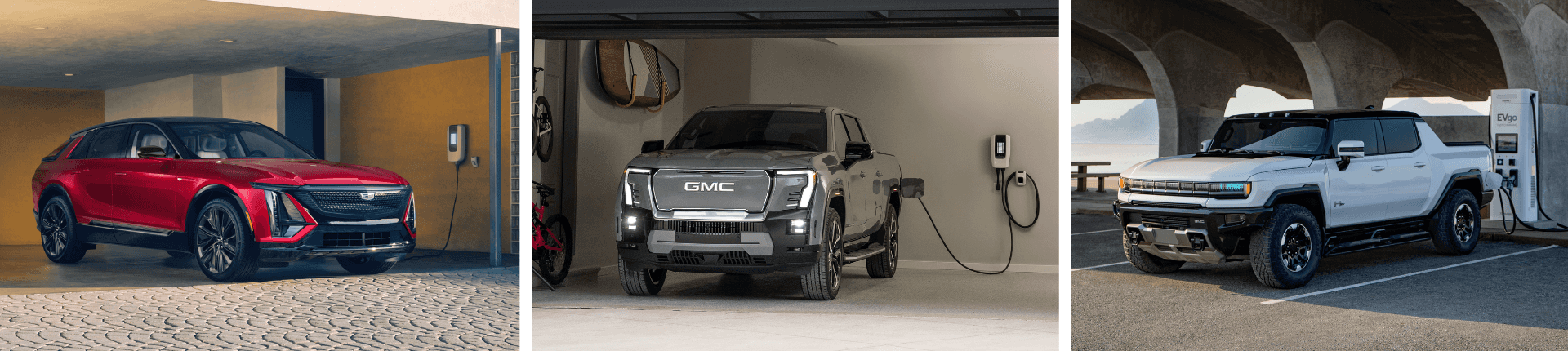
Level 1 chargers are the easiest to use. You simply plug your electric vehicle (EV) into a standard 120-volt household outlet. This will add about 2 to 5 miles of range per hour to your EV. Most electric vehicles sold today come with a portable 120V Level 1 charger included.
Level 2 chargers operate using a 240-volt outlet, similar to those that power an oven or dryer. They are available in various locations throughout Maine, including workplaces, restaurants, and parking garages, and they can also be installed at home. For every hour of charging, they can add 10 to 30 miles of range to your electric vehicle (EV).
The next level above Level 2 charging is DC fast charging, which operates with voltages exceeding 480 volts. These chargers are typically found along highways and at commercial locations. Depending on the vehicle, they can provide an electric charge that adds 100 to 250 miles of range in approximately 30 minutes.
Tesla Superchargers can charge your EV with up to 200 miles of range in just 15 minutes. This should not be confused with Tesla Destination chargers, which are their version of a level 2 charger. The main difference with Tesla chargers is that they use a Tesla connector. Even if you don’t own a Tesla, you can still use these chargers with an adapter, which can be purchased at your brand’s accessory store if it doesn’t come standard with your vehicle.
| Battery Range | Total Range | Fuel Source | |
|---|---|---|---|
| Battery Electric Vehicle (BEV) | 100-400+ miles | 100-400+ miles | Electric only |
| Plug-in Hybrid Electric Vehicle (PHEV) | 15-60 miles | 200-600 miles* | Electricity and Gas |
*Combined electric and gasoline range. For more details visit EfficiencyMaine.com.
Explore the true cost of vehicle ownership with our comprehensive Vehicle Cost Calculator. Whether you're considering an all-electric (BEV), hybrid, plug-in hybrid (PHEV), or traditional internal combustion engine (ICE) vehicle, this tool provides a side-by-side comparison of estimated fuel/electricity expenses, maintenance costs, and total ownership costs over the lifetime of your vehicle. Simply input your expected mileage and energy costs, and customize advanced settings to tailor the results to your needs. Empower your decision-making with accurate insights into your next vehicle investment.
| Category | BEV | Hybrid | PHEV | ICE |
|---|---|---|---|---|
| Fuel/Electricity Costs | $0 | $0 | $0 | $0 |
| Maintenance Costs | $0 | $0 | $0 | $0 |
| Total Cost of Ownership | $0 | $0 | $0 | $0 |
Disclaimer: Fuel costs are calculated using electricity consumption rates of 4 miles per kWh for BEVs and 4 miles per kWh for PHEVs (electric portion), as well as gasoline consumption rates of 45 MPG for Hybrids, 42 MPG for PHEVs (gas portion), and 25 MPG for ICE vehicles. Maintenance intervals and costs are based on general estimates and may vary depending on vehicle model, manufacturer recommendations, and driving conditions. Always refer to your vehicle’s owner’s manual for accurate maintenance schedules.
Required for ICE, Hybrid, and PHEV vehicles to maintain engine performance.
Applies to all vehicle types to ensure even tire wear.
Applies to all vehicle types for maintaining clean air inside the cabin.
Necessary for ICE, Hybrid, and PHEV vehicles; less frequent for BEVs.
Required for ICE, Hybrid, and PHEV vehicles to prevent overheating.
Applies only to ICE, Hybrid, and PHEV vehicles with internal combustion engines.
Needed for all vehicle types but may last longer for BEVs and Hybrids due to regenerative braking.
Driving an electric vehicle in Maine provides numerous benefits, such as lower operational costs, reduced environmental impact due to zero emissions, and potential tax incentives and rebates. Electric vehicles also require less maintenance and offer a quieter, smoother driving experience.
You can charge your electric vehicle using a standard household outlet (Level 1), install a faster home charging station (Level 2), or use public charging stations strategically located throughout Maine. Charging options are growing, making it more convenient than ever to charge on the go.
The charging time for electric vehicles can vary. A Level 1 charger typically takes about 8-12 hours for a full charge, while a Level 2 charger can charge from 0 to 100% in 4-6 hours. DC fast chargers can provide up to 80% charge in just 30 minutes.
Electric vehicles charge up to 80% quite rapidly using DC fast chargers because it’s the most efficient part of the battery charging cycle. Up to this point, the battery can accept power at a high rate without significant stress. Beyond 80%, charging speed is deliberately reduced to protect the battery’s health and prolong its lifespan. This slower charging pace helps manage the battery’s heat and voltage, ensuring durability and safety. For everyday use and road trips in Maine, knowing where DC fast charging stations are located can significantly enhance your travel experience by reducing waiting times during longer drives.
Modern electric vehicles offer impressive ranges, often exceeding 250 miles on a single charge. Specific models available in Maine can vary in range, with some high-performance models offering even longer distances per charge.
Yes, Maine is expanding its infrastructure for electric vehicles, with many public charging stations available across the state. This network supports long-distance travel and daily commuting alike.
While electric vehicles perform well in various conditions, Maine’s cold winters can reduce battery efficiency and range. Preconditioning your car while it’s still plugged in can help preserve battery life and maintain cabin warmth without draining the battery.
Maine offers several incentives to encourage electric vehicle adoption, including rebates and tax credits. These incentives can significantly lower the upfront costs of EV purchasing and make it a financially attractive option.
Consider your typical driving distances, the availability of charging stations near your route, and whether you can install a home charging station. Also, the total cost of ownership, including purchasing incentives, ongoing maintenance, and electricity costs versus gasoline, must be evaluated.
Electric vehicles typically require less routine maintenance than gasoline-powered cars because they have fewer moving parts. There are no oil changes, fewer brake replacements due to regenerative braking, and no exhaust systems to maintain.
Yes, with some planning, electric vehicles are great for road trips. Use apps to locate charging stations along your route and plan for charging stops to match your vehicle’s range capabilities. The expanding network of fast chargers is making long-distance EV travel more feasible.
Look for this Save icon
Once you've saved some vehicles, you can view them here at any time.